
Top-rated Sacramento Contractor with 100+ 5-star reviews
Sacramento’s Trusted Partner for Commercial & Residential Construction
From modernizing business workspaces to transforming residential homes, KGA Construction brings 19+ years of expertise to every build. We deliver unparalleled craftsmanship, transparent communication, and reliable project management to both homeowners and business owners.





19+ Years of Trusted Excellence
Backed by over 100 five-star reviews, we bring nearly two decades of precision and unmatched expertise to every Sacramento project.

Custom Residential Services
From complex whole-home renovations to luxury kitchen remodels, we transform your house into a meticulously crafted modern home.

Commercial Build-Outs & TIs
We build functional, code-compliant commercial spaces designed to elevate your brand, minimize downtime, and drive your business forward.
Who We Are
Building Success for Businesses. Building Dreams for Homeowners
At KGA Construction (CA Lic #1012218), we understand that your physical environment shapes your daily life and your business's bottom line. That’s why we divide our expertise equally between high-end residential remodeling and professional commercial construction. With nearly two decades of experience and over 100 five-star reviews in the Sacramento area, our licensed team is dedicated to on-time, on-budget delivery—whether we are building out a new retail storefront or doing a whole-home residential remodel.
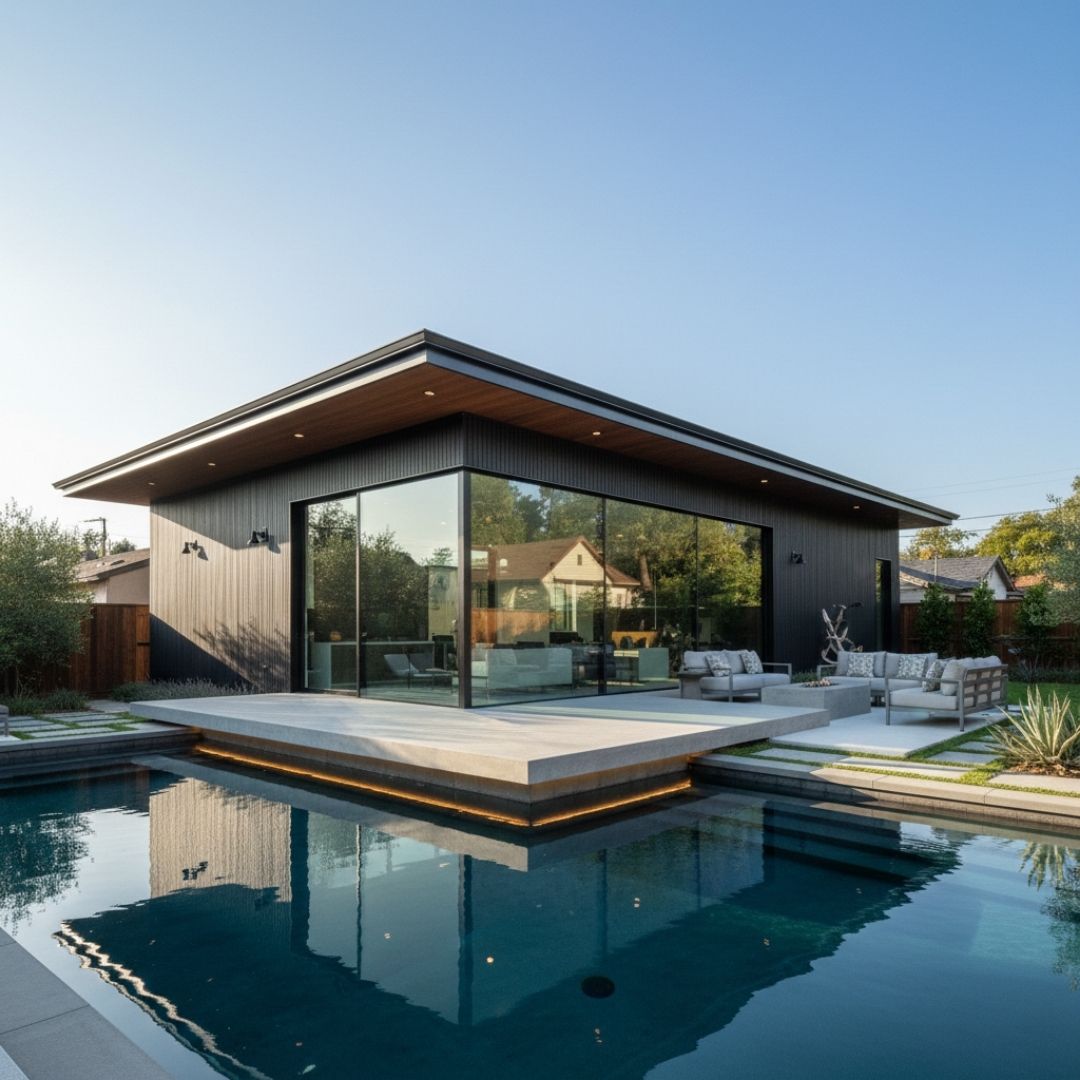
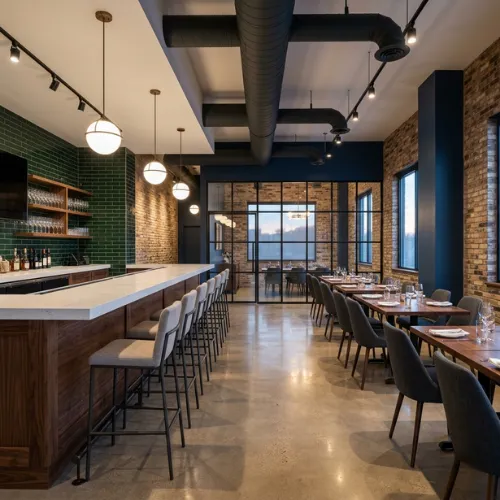
Featured Commercial Services
Tenant Build Outs
Custom-designed spaces tailored to meet your business’s specific needs, ensuring functionality, compliance, and seamless integration with existing infrastructure.
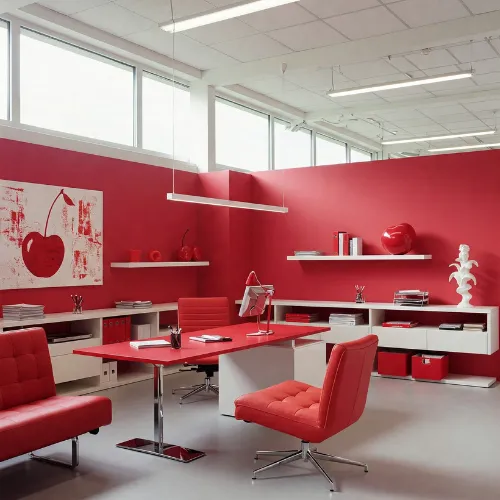
Office Interior
Modern office interiors that boost productivity and comfort, featuring efficient layouts, stylish design, and quality finishes that reflect your brand.

Cafe & Restaurants
Transform your cafe or restaurant into an inviting space with expert design and construction that enhances customer experience and operational flow.
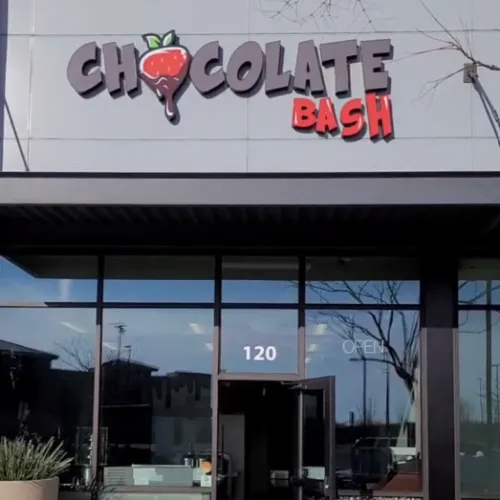
Retail Space
Create a retail environment that attracts customers with strategic design, flexible layouts, and high-quality construction to maximize sales and brand impact.

Commercial Services
Interior Space Planning and Layout Construction
Restaurant & Coffee Shop Construction & Build-Out Services
Featured Residential Services
Remodels &
Renovations
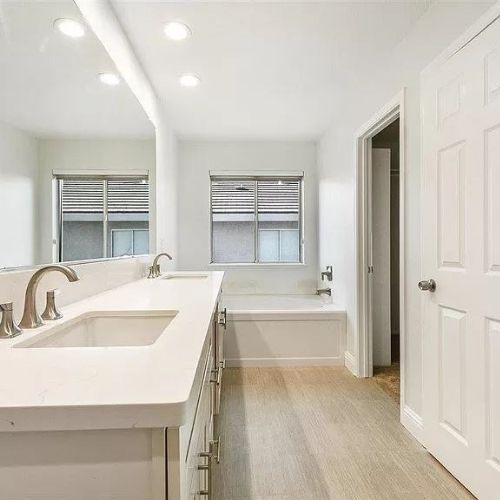
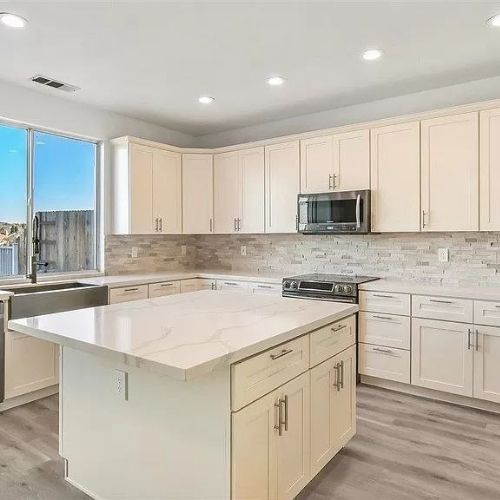
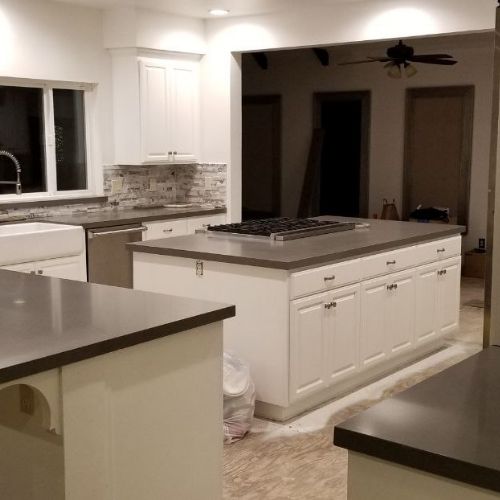
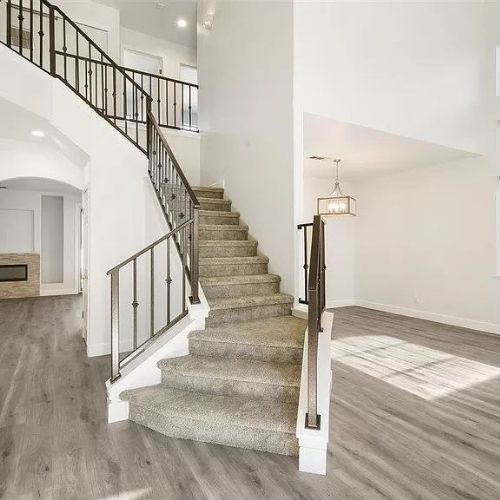
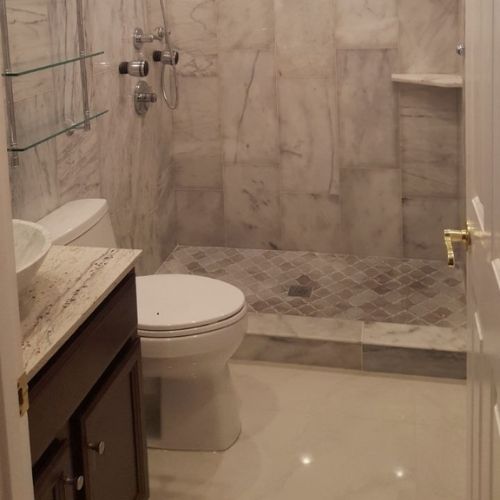
Bathroom remodels, kitchen remodels, flooring, stone, tile, siding, plumbing, electrical, full transformations.
Additions & New Construction
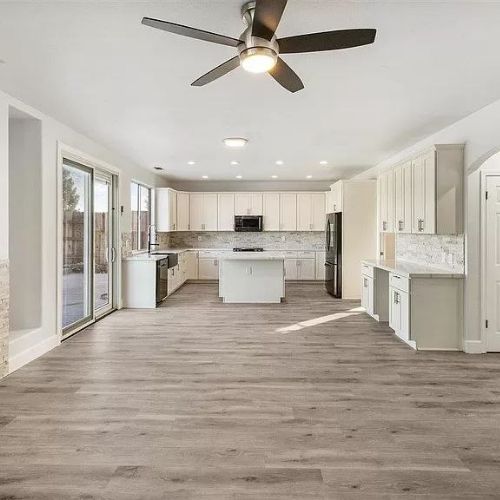
Expanding your space or building something new, we deliver high-quality craftsmanship from the ground up.
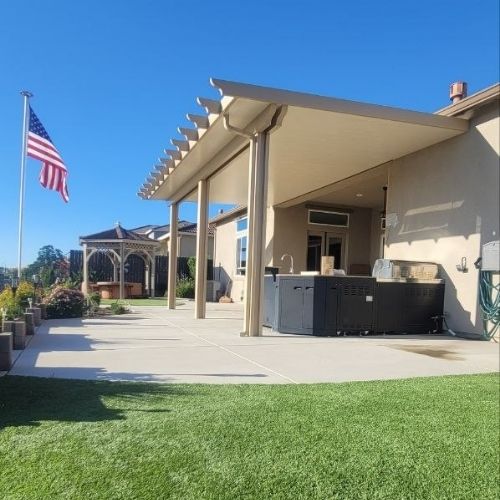
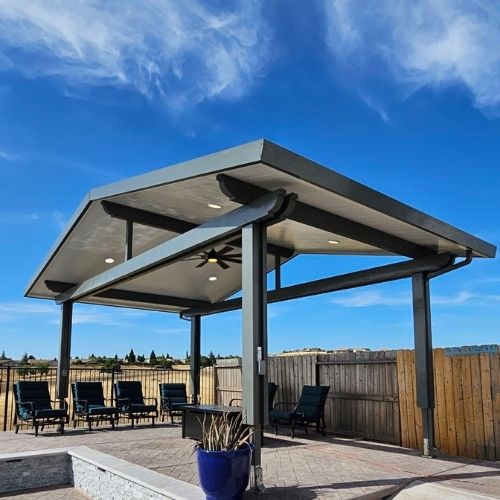
Patio Covers
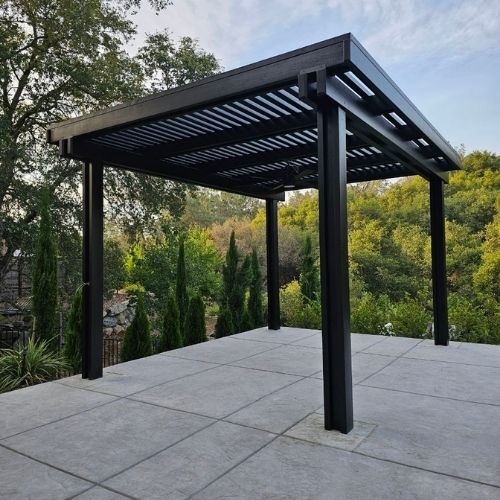
Open lattice, solid, insulated 3” roof systems, and motorized louvers, built for comfort, shade, and style.
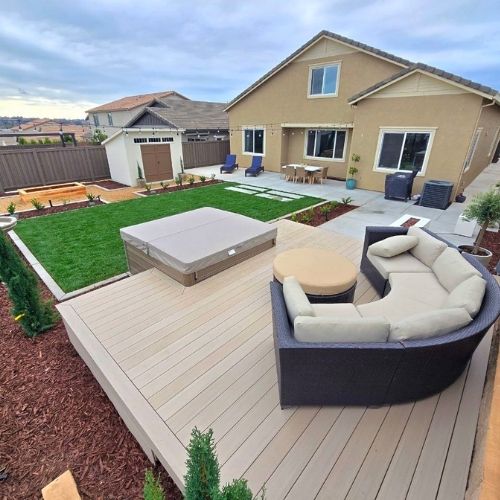
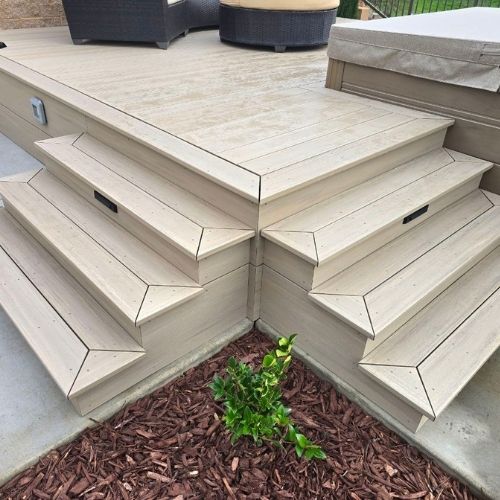
Decks
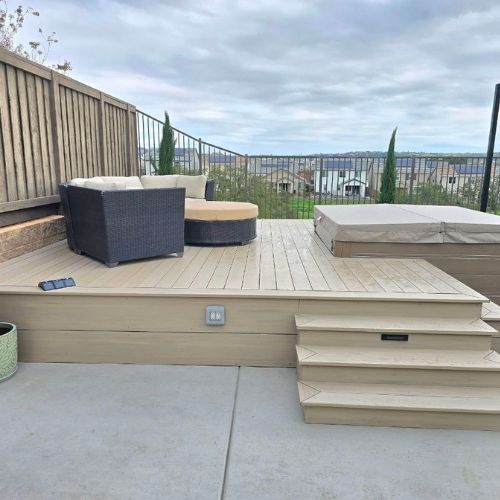
Custom decks built with modern materials designed for durability and outdoor living.
Comprehensive Construction Services
Recent Projects
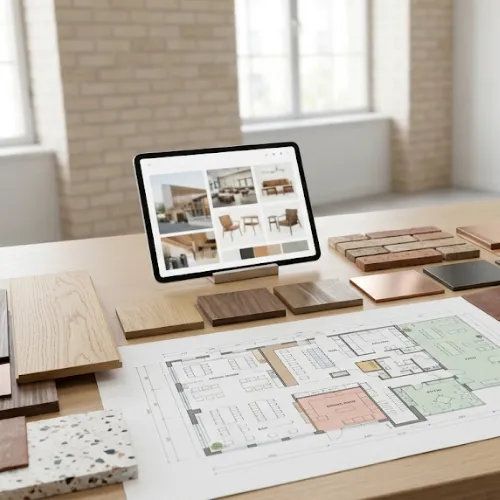
Our Experience
Commercial & Residential Construction Services
From modernizing retail workspaces to stunning whole-home renovations, KGA Construction delivers premium building services in Sacramento. Request a quote today.

Any time Call Us
916 320-6902
Your Home. Your Vision. Expertly Built.
Let’s Upgrade Your Space
Get In Touch
We're Ready for Your Home or Commercial Project
Whether you're planning a home renovation, upgrading your kitchen or bath, expanding your living space, or taking on a commercial construction project, KGA Construction is here to guide you every step of the way. Fill out the form below and we’ll respond promptly.
Office Location
400 L St, Rio Linda, CA 95673
Frequently Asked Questions
1. How long does it take to build an ADU?
Most ADUs take a few months, depending on design, your property, and permit approval. We set a realistic schedule up front and keep you updated from site prep to final walkthrough.
2. How big can an ADU be?
It depends on your lot size, local zoning, and how you'll use the space. We review your property and help you choose a size that's comfortable, functional, and fully compliant.
3. Do you handle permits, or do I need to take care of them?
We handle the full permit process for you, including drawings, submissions, and code compliance. If your project includes a patio or deck, we coordinate those approvals too.
4. What do your payment terms look like?
We use a clear, milestone-based schedule: an initial deposit, progress payments tied to each phase, and a final payment once you're satisfied. It's all spelled out in your contract.
5. How much does it cost to build an ADU?
Cost depends on size, layout, materials, and site conditions, so there's no one price. Book a free consultation for a detailed, itemized estimate with no surprises later.
Our Service Area

Reliable general contractor serving Northern California with custom ADU builds, conversions, and full ADU transformations, additions, decks, and patio cover installations.
19+ Years of Experience
Licensed • Bonded • Insured
CA License #1012218
Our Services
Remodels & Renovation
Accessory Dwelling Unit
Addition
Patio Cover
Deck Construction
Contact Now
Office Location
400 L St, Rio Linda, CA 95673
Office Info
+1 (916) 320-6902
Stay Connected






© 2026 KGA Construction Inc - All Rights Reserved.
Powered by Sitefulia